Non-knowing Growing
Teams really come to life when they can create space to cope with uncertainty together. In my work with people, I like to get past exchanging ideas we are sure of and ask ourselves, what else is possible here?
If you like to know more about working with me as a facilitator or team coach, get in touch.
non-knowing growing
some of the best work happens in uncertain spaces
kindly
mischief
getting unstuck sometimes means experimenting
practice beats models
a little story about the gap between reality and our models of reality
Comfortable with discomfort
What marks out effective teams is their willingness to experiment together. They’re able to sit with uncertainty in more creative ways. This is the work I’ve spent my life exploring.
How I can help:
- Encouraging real conversations about the stuff that matters
- Supporting meaningful decision-making
- Finding the space for deep work together
Emotionally connected teams
With so much remote working, the need to build emotional connections among team members has never been greater. I avoid formulaic solutions to work with the team in front of me.
- Building a commitment to more challenging conversations.
- Supporting experiments to encourage growth
- Sustaining morale in the face of challenges
What it's like to work with me
Clients and colleagues share their experiences
What you need to know (Q and A)
I develop the agenda for the day in consultation with you. This would include a more detailed briefing from you on:
- the issues to be discussed
- the backgrounds of the participants
- any anticipated challenges/difficulties based on past events.
Following the briefing, I will develop a proposal for:
- a recommended process including exercises and activities and preparatory activities for participants
- a facilitation agenda with timing
- a confirmation of the desired outcomes.
One of the main reasons for having a retreat is to create a different way of engaging with each other than is possible in day-to-day meetings.
We need to avoid just doing the normal sorts of meetings, only in a more expensive venue.
Awaydays must balance the need for clear outcomes with the importance of creating genuinely reflective space. They must have some structure but they must also encourage participants to take some risks to embrace more difficult conversations.
One of the greatest pitfalls is to have important-sounding conversations that actually avoid useful engagement. For example, everyone can agree that there needs to be more action, greater effectiveness or stronger teamwork – but then not be specific about the details where this isn’t happening and where people want a change. Without some creative friction, nothing really useful can happen.
The facilitator should create a space in which people feel able to take more risks and have more challenging but more creative conversations. I aim to create an atmosphere in which this feels appealing rather than merely hazardous.
To do this, it’s more about intelligently improvising based on experience than trusting in any particular technique. It involves not always playing safe when tricky topics arise, and being willing to ask more challenging questions of the group.
Secondly, I tend to avoid long sessions in which one person gets to talk and everyone else either (a) just listens or (b) competes to be the next person speaking. That involves greater discipline,, and not simply defaulting to the loudest voice in the room; and also creating structures in which people work in pairs and smaller groups for much of the time.
Although I do make use of creative activities and some more playful approaches, I do not see these as any kind of substitute for real and practical engagement with the issues you need to explore.
It’s important to create changes of pace throughout the event. Groups of people often get stuck: sometimes in quite frantic forms of conversation, and sometimes in rather sluggish ones. Having changes of pace makes it easier for all participants to engage and also to allow more creative thinking. Knowing when to press on, and when it’s better to pause and refresh, is an important judgement call for the facilitator
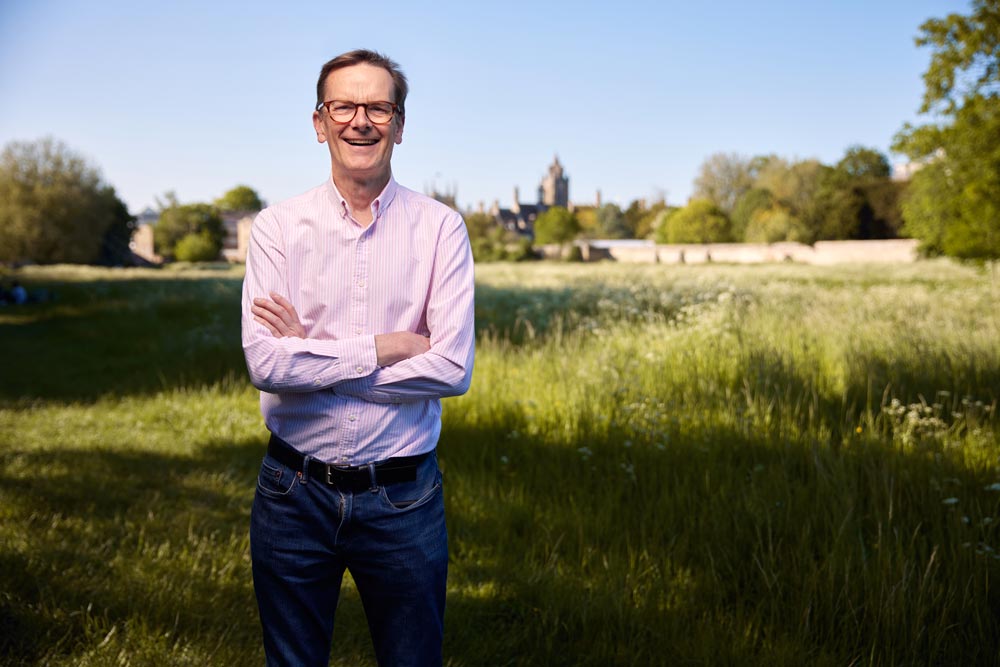
About me….
I’ve worked with teams around the world for 30 years.
I’m on the faculty of the Homerton College Cambridge Changemakers leadership programme. I’ve been a visiting tutor at the Oxford Universtiy Business School.
I’m the author of the book Unhurried at Work and a co-founder of Creative Facilitation.
Why Cambridge?
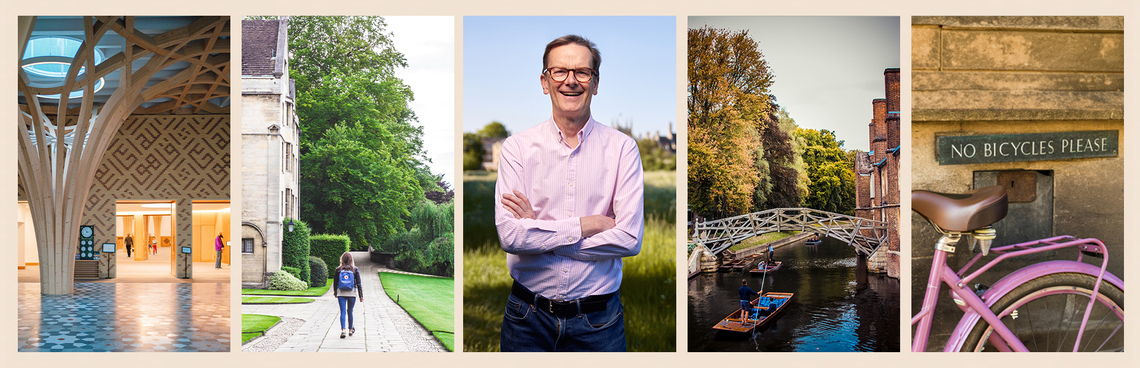
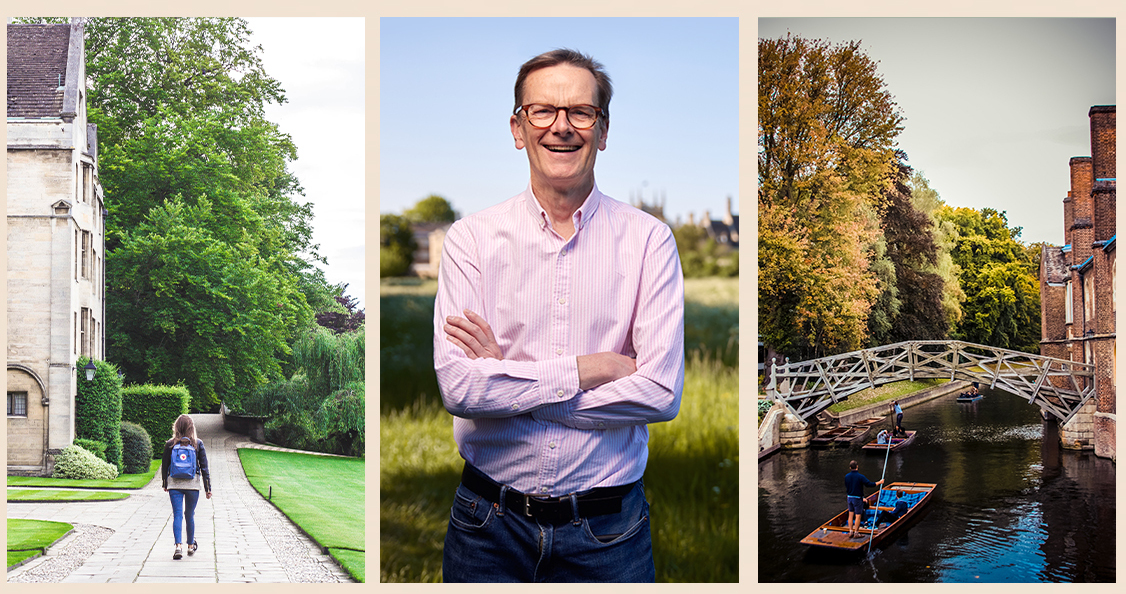
Cambridge has an incredible range of spaces. Many people think immediately of the historic colleges which these days offer excellent meeting facilities and great catering. But there are also many other kinds of spaces in the city which you might also make use of – interesting rooms over pubs, in restaurants and lesser-known university facilities and libraries.
There are wonderful riverside walks and intriguing places to eat which can be blended to create an outstanding event. Not far from the city itself are more rural retreat spaces and venues for consideration. I’ll help you find the right mix of stimulation and entertainment, and the all important space and calm for deeper reflection.