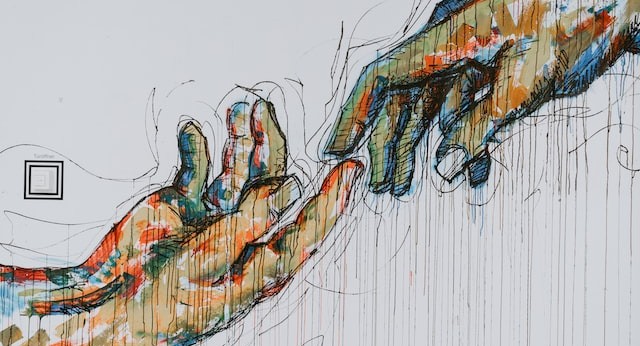
Matt highlight’s Patrick Lambe’s post: Touch. Patrick is focussed on actual physical touch and the way it’s pretty much excluded from conversations about change. It really is a giant elephant in the corner. I might add that the notion of touch in the sense of being moved is another such elephant. Here’s a snippet:
And we treat everything as if it’s something that happens in the head, or between heads and heads (involving soundwaves) or heads and text in various forms. Specifically I don’t see us anywhere talking about the importance of touch. This is not unique to knowledge management – it’s true of management science in general. “Touch” is as crudely understood as knowledge is notwithstanding the equally subtle and sophisticated ways that we use touch socially. In fact, it’s largely avoided; the role of a bureaucratic organization is to inhibit touch as far as it is possible to do so while still working with humans.
We are, for example, much more comfortable thinking and talking about touching things (to control them), than we are about touching people. Touch screens, touch pads, excite our enthusiasm. Talking about touching our colleagues is deemed improper, inappropriate even.
I think Patrick alludes to a yawning gap in the way many folks think and right write about organisations. So often people emphasise deliverables, outcomes, sticking to the agenda, as if we’ve forgotten that we’re flesh and blood.
As Matt notes, the comments veer to concerns about touch-as-abuse. I think that’s sad and maybe a distraction. Especially if we think about touching in the broader sense. Let’s not have an argument about whether-or-not-to-touch; maybe we could talk about how we are touched.