Being ordinary

Johnnie Moore

Johnnie Moore

I’m Johnnie Moore, and I help people work better together

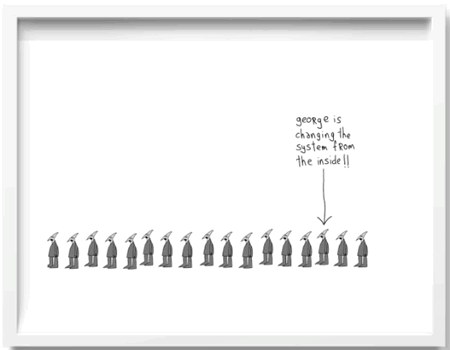
Hugh’s daily cartoon arrived as I was re-reading an old post: The Halo Effect.

Hugh is definitely the fly not the ointment and I easily identify with his cynical perspective on corporate life.

On the other hand I think it’s easy to get too attached to change being something that can only happen as a result of powerful outside influences or inspired leadership. The Halo Effect cites research suggesting genius leaders are not all they’re cracked up to be. Keith Sawyer suggests ideas grow incrementally and we only deceive ourselves that they come in blinding flashes. And I think a lot of ideas get squashed because they’re “not radical enough”. Sometimes allowing ourselves to do the ordinary is the most creative option.

Share Post

More Posts

Bunny Bunny

A funny game illustrates what we may be missing in many of our meetings

Leading from the clown

I shot this in a single eight-minute take, which is in the spirit of an experience of Ralf Wetzel’s workshop, Leading from the Clown. Clown training is probably the deepest and most challenging work I’ve done. Enjoy.

Noticing

The power of small gestures and noticing

More Updates

Emotional debt

Releasing the hidden costs of pent up frustrations

Aliveness

Finding the aliveness below the surface of stuck

Johnnie Moore

Synchronous wisdom

I found this on a table in a pub in Camden this lunchtime. “Life can only be understood backward–but we must live it forward (Soren Kierkegaard)” I have nothing to

Johnnie Moore

Fake Gurus

Lisa Haneberg observes Fake Business Gurus are Chinese Bestsellers. Maybe they should start character blogs?

Johnnie Moore

Join people where they are

Another great post by Patti Digh. She watches teams of people teaching a dog to pray and draws some lessons for us mere mortals – Roll on the floor: But

Johnnie Moore

Safety and rank

Nancy Dixon writes about the conditions that favour good quality conversations in organisations. She uses the term psychological safety to describe the conditions that allow people to take risks in