Further to my comment below and in pursuit of my dislike of brandspeak, here is my diagram of how people respond to the abstractions of brand experts. Especially designers of “brand architecture”.
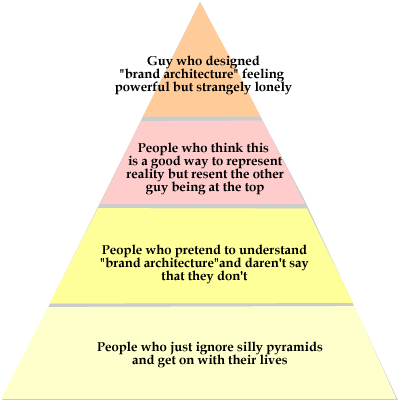

Further to my comment below and in pursuit of my dislike of brandspeak, here is my diagram of how people respond to the abstractions of brand experts. Especially designers of “brand architecture”.

Fascinating insights into the patterns of failure

Releasing the hidden costs of pent up frustrations

Finding the aliveness below the surface of stuck

Don’t get attached to your favourite process

The virtues of stripping back your processes

Sometimes it’s ok to stay confused and entangled
Tom Atlee looks at whether changes depends on individual commitment or effective systems. It’s both of course: Whether we assume that “it all starts with the individual” or “the individual
I pretty much always enjoy management writers/gurus when they are dismantling other gurus’ signature achievements. This from Steve Denning is a thoroughly well argued debunking of the whole ghastly “shareholder
Yesterday I said this on twitter: now suffering reading fatigue. i think this may be a chronic rather than acute illness It’s the sort of half-idea I often tweet out.
Chris Corrigan writes about Passion, patience and action as enlightenment. It’s a very good read but if you’re in a hurry, I guess this is the nub: Glassman argues that